Travel / Hyogo Prefecture
Himeji Castle
A National Treasure and UNESCO World Heritage Site also known as 'White Heron Castle.' The surviving main keep, developed in the early Edo period, is the largest castle complex of its kind in Japan, its white plastered walls gleaming against the sky.
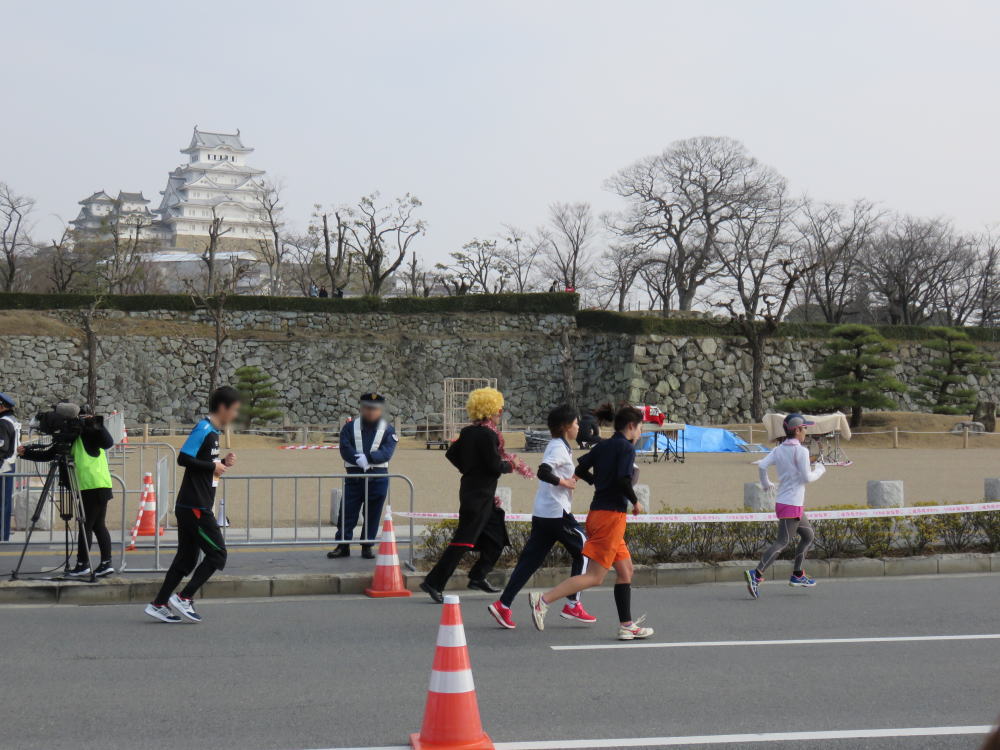
Photo: Terumasa / CC BY-SA 4.0
- Access
- Approx. 20-min walk from the north exit of JR Himeji Station or Sanyo Himeji Station. By bus, take Shinkibus and alight at 'Otemon-mae,' then walk approx. 5 minutes.
- Duration
- Not specified on the official website. The main keep features steep staircases throughout; allow at least 1–2 hours if you plan to explore the entire castle grounds at a leisurely pace.
- Price
- General adult (18 and over, non-Himeji residents): ¥2,500 / Under 18: Free / Himeji residents (18 and over): ¥1,000 / Groups of 30 or more (general adult): ¥2,000 / Combined ticket for Himeji Castle & Koko-en: ¥2,600 / *Foreign visitors pay the same price as domestic visitors — no dual pricing (revised March 1, 2026)
- Hours
- [Summer season (June 1–September 24)] 9:00 AM–6:00 PM (last entry 5:00 PM) / [Regular season] 9:00 AM–5:00 PM (last entry 4:00 PM)
- Closed
- December 29 and 30
- Source: 姫路城公式サイト(入城料・営業時間掲載) (confirmed August 9, 2026)
- Source: 姫路城ご利用案内(姫路市公式・季節変動あり記載) (confirmed August 9, 2026)
- Source: 姫路観光ナビ(夏季6月1日〜9月24日:9:00〜18:00・入城17:00まで記載) (confirmed August 9, 2026)
- Source: 好古園 利用案内(入園料・共通券・営業時間) (confirmed August 9, 2026)
- Source: 好古園 公式サイト(概要・庭構成・面積) (confirmed August 9, 2026)
Prices and hours may change. Please check the official site before you go.
'White Heron Castle' — White Plaster that Soars Against the Sky
Himeji Castle earned the nickname 'White Heron Castle' because the great main keep and its cluster of smaller keeps, all sheathed in white plaster, resemble a heron spreading its wings. The 'renjū-shiki' (connected keep) structure — in which the six-story main keep is flanked by the East, Inui, and West small keeps linked by connecting corridors — represents the largest castle architecture of its kind in Japan. The white plaster is not merely decorative; it was a practical technology for fire and water resistance. The thick layers of applied plaster prevented the spread of flames and shielded the timber-frame structure from wind and rain. The history of Himeji Castle dates back to a fortification built by Akamatsu Sadanori in the 14th century. After later renovations by Toyotomi Hideyoshi, Ikeda Terumasa completed the majority of the surviving keeps between 1601 and 1609. Eight structures, including the main keep, are designated National Treasures, and in 1993 the castle became one of Japan's first UNESCO World Heritage Sites, alongside Horyuji Temple. As a 'surviving keep' that miraculously withstood the Meiji Restoration and the devastation of World War II, it continues to draw researchers and visitors from around the world.
An Impregnable Layout — The Traps Set by Stone Walls and Gates
In stark contrast to its beauty, the castle's layout is defined by thoroughly calculated defenses. The path from the main gate to the keep appears straightforward at first glance, but actually bends repeatedly, perpetually exposing an attacker's flank to the defenders. Sixteen gates survive within the castle grounds, all designated Important Cultural Properties, beginning with the Hishi Gate. Each functions as an independent checkpoint — breach one, and the next barrier immediately appears. The stonework also rewards close attention. Multiple construction methods coexist — from the older 'nozurazumi' (rough-stacked stone) to the more refined 'uchikomi-hagi' and 'kirikomi-hagi' techniques — bearing witness to successive phases of construction and renovation. Around 1,000 loopholes ('sama') are positioned throughout the castle walls, forming an overlapping field of fire with no blind spots. Simply walking slowly from the main gate to the keep with the defensive layout in mind brings the reality of past battles vividly to life.
Up to the 6th Floor of the Main Keep — The View Waiting at the Top of the Steep Stairs
The main keep is a five-story, six-floor structure with a basement, connected from bottom to top by steep staircases. Visitors need to hold the handrails firmly as they climb. Each floor features corridors called 'musha-bashiri,' along with defensive elements preserved throughout: loopholes for rifles and bows, 'stone-drop' ('ishi-otoshi') openings for dropping stones or boiling water on attackers, and hidden storage alcoves ('musha-kakushi') set into the floorboards for weapons and provisions — every detail of the siege-ready design is there to be examined. Once you reach the sixth and topmost floor, the city of Himeji and the Harima Plain stretch out below you. On clear days, the islands of the Seto Inland Sea and the Rokko Mountains are visible, and as altitude increases with each floor, the realization grows that this entire structure was built from timber and plaster. Last entry times vary by season — 5:00 PM in summer (June 1–September 24) and 4:00 PM in the regular season, both earlier than the closing time — so planning your visit to arrive in the morning and work backward is strongly recommended. As the interior has no barrier-free access and consists entirely of steep staircases, visitors with mobility concerns or those bringing young children should check their time and energy requirements in advance.
Koko-en and the Castle Town — How to Spend Your Time After the Keep
After touring the castle interior, a visit to the adjacent Koko-en garden is highly recommended. Opened in 1992, it covers approximately 10,000 tsubo (about 33,000 square meters) and features nine distinct strolling gardens that incorporate the remains of Edo-period samurai residences. The garden is operated by a separate public-interest foundation (Himeji City Green and Rich Town Development Association). Purchasing the combined ticket (¥2,600) at the start gives you entry to both, making it a natural place to rest your feet after touring the keep. Around Himeji Station, dining and souvenir options are plentiful. The station building 'piole Himeji' offers a range of local cuisine, and 'ekisoba' — a Himeji specialty of Chinese-style noodles served in Japanese-style broth — can be enjoyed at the long-established stand-up noodle shop right on the station platform. It's perfectly positioned for a stop on the way home while keeping an eye on Shinkansen or train departure times. Note that the walk from the castle to the station takes about 20 minutes, so especially in summer, don't forget heat-stroke precautions and to build in extra time.

How this character would spend the day
Rena's Route (Efficiency & Photo-Worthy Edition)
- 9:00Enter right at opening. Climb straight to the top floor of the main keep before the crowds arrive and shoot the castle in the morning light. Last entry is 4:00 PM or 5:00 PM depending on the season (5:00 PM in summer, June–September), so arriving early in the morning is non-negotiable.
- 10:30Tour the Nishinomaru and Hyakken Corridor. The long corridor lined with stone walls and pillars offers plenty of Instagram-worthy angles — a spot to secure before it gets crowded.
- 11:30Move to Koko-en on the combined ticket. Rest your feet after the keep while capturing garden shots that combine greenery and stone.
- 12:30Lunch near Himeji Station. Already scouted options at 'piole Himeji' and nearby set-meal restaurants. Himeji oden or the platform ekisoba — going by mood.
- 13:30Buy all souvenirs at once and head out. Himeji Castle-exclusive wagashi sweets and Harima regional specialties can be picked up efficiently at the station-connected shop before boarding the Shinkansen.