Travel / Kyoto Prefecture
Kinkakuji (Rokuonji)
A Rinzai Zen temple of the Shokokuji school, renowned for its gold-leaf-covered shariden (relic hall), built by Ashikaga Yoshimitsu, the third shogun of the Muromachi shogunate. Designated a UNESCO World Cultural Heritage Site in 1994, it is one of Kyoto's most iconic attractions.
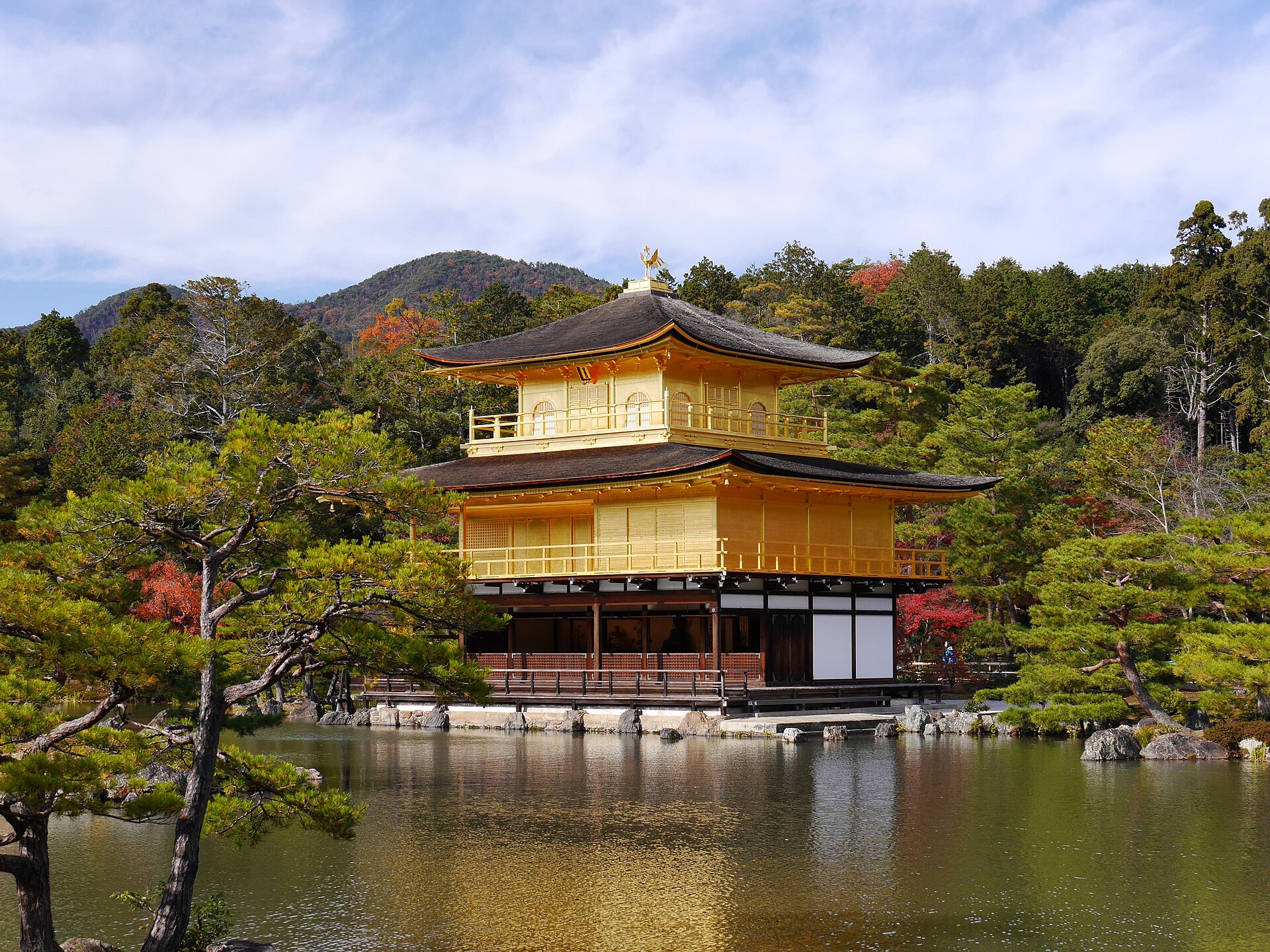
Photo: Jaycangel / CC BY-SA 3.0
- Access
- Alight at Kyoto City Bus stop 'Kinkakuji-michi' (routes 12, 59, 205, and M1 available)
- Duration
- Approximately 30–60 minutes to complete the main circuit of the temple grounds
- Price
- Adults (high school students and above) ¥500, elementary and junior high school students ¥300
- Hours
- 9:00 AM–5:00 PM
- Closed
- Open year-round
- Source: アクセス・拝観 | 金閣寺(鹿苑寺)公式サイト (confirmed July 29, 2026)
- Source: 金閣寺について | 金閣寺(鹿苑寺)公式サイト (confirmed July 29, 2026)
Prices and hours may change. Please check the official site before you go.
The Gold-Leafed Shariden and Kyoko-chi Pond — The Golden Pavilion Reflected on Still Water
The official name of Kinkakuji is 'Rokuonji.' Its iconic shariden — commonly known as the Kinkaku, or Golden Pavilion — is a three-story tower with gold leaf applied to its upper two floors. The 'Kyoko-chi' (Mirror Pond) that spreads out before it reflects the pavilion in perfect reverse, and on clear days the golden gleam doubles across the water's surface. This vista is the first and greatest sight to greet every visitor to Kinkakuji. Another highlight is that each of the three stories employs a different architectural style. The first floor reflects the aristocratic culture of the Heian period in the shinden-zukuri style; the second evokes a warrior's residence in the buke-zukuri style; and the third follows the Zen Buddhist hall style known as butsuden-zukuri. The design — which condenses three realms of authority, political, cultural, and religious, into a single structure — speaks to the immense power Yoshimitsu wielded. The present building was reconstructed in 1955 after the original was destroyed by arson in 1950, faithfully restoring the form that had been passed down from before the Meiji era. Today it begins to gleam gold at the moment the gates open at 9:00 AM.
The Paradise Ashikaga Yoshimitsu Dreamed Of — 600 Years of Kinkakuji History
The history of Kinkakuji stretches back to the end of the 14th century. In 1397 (the 4th year of the Ōei era), Ashikaga Yoshimitsu, the third shogun of the Muromachi shogunate, acquired the mountain villa of the Saionji clan and developed a grand retreat known as the 'Kitayama-tei.' Yoshimitsu relocated the shogunate's real power here, and even after resigning as shogun and chancellor, he continued to hold the reins of government — developing the site into the center of what became known as 'Kitayama culture.' After Yoshimitsu's death, the complex was converted into a temple in accordance with his will and named 'Rokuonji.' The name 'Rokuon' derives from Yoshimitsu's posthumous Buddhist title, 'Rokuon-in.' Though most of the buildings were lost to the successive conflicts of the Ōnin War (1467–1477) and other upheavals, the shariden alone survived into the Meiji era. In 1994, the site was inscribed on the UNESCO World Cultural Heritage List as one of the component assets of the 'Historic Monuments of Ancient Kyoto.' Today it belongs to the Rinzai Shokokuji school and is administered as a sub-temple of Shokokuji. Admission is ¥500 for adults and ¥300 for elementary and junior high school students, and it draws several million visitors from around the world each year.
How to Navigate the Grounds — The One-Way Route and Highlights
The temple grounds are laid out as a one-way visiting route, designed so that following the path naturally leads you through all the major sights. The first thing to greet you after entering is the full view of the Golden Pavilion across Kyoko-chi Pond — the prime spot for photographs. Proceeding along the right bank of the pond, you pass islands dotting the landscape — 'Ashihara-jima,' 'Tsuru-jima,' 'Kame-jima' — which preserve the garden aesthetics of the Muromachi period. This garden forms an integral part of the World Heritage designation alongside the building itself; it is not merely a backdrop but a significant cultural property in its own right. In the latter portion of the grounds stands 'Sekka-tei,' a teahouse built during the Edo period by the tea master Kanamori Sōwa. True to its name — meaning 'a pavilion where the Golden Pavilion looks finest in the evening sun' — the entire composition takes on a different character depending on the quality of the light. At the end of the circuit is a small hall enshrining Fudō Myōō, where many visitors offer a prayer to close their visit. The gift shop sells matcha, Japanese sweets, and Kinkakuji-themed souvenirs. Allow approximately 30–60 minutes for the full route.
Visitor Tips — Crowds and Getting There
Kinkakuji draws a constant stream of domestic and international tourists throughout the year, making it one of Kyoto's most visited destinations. Crowds peak in spring (cherry blossom season, March–April), autumn (fall foliage season, November), Golden Week, Obon, and the year-end and New Year holidays. If you want to avoid the crowds, arriving right at the opening time of 9:00 AM is the single most effective strategy. The most convenient way to get there is by Kyoto City Bus. From JR Kyoto Station, take the No. 205 route (among others) to the 'Kinkakuji-michi' bus stop (approximately 40 minutes, subject to traffic). The entrance is about a 2-minute walk from the stop. You can also transfer to a city bus from 'Kitaoji' Station on the Karasuma Subway Line. The grounds are open year-round, 9:00 AM–5:00 PM. We recommend checking the official website (https://www.shokoku-ji.jp/kinkakuji/) for the latest visitor information before your trip.
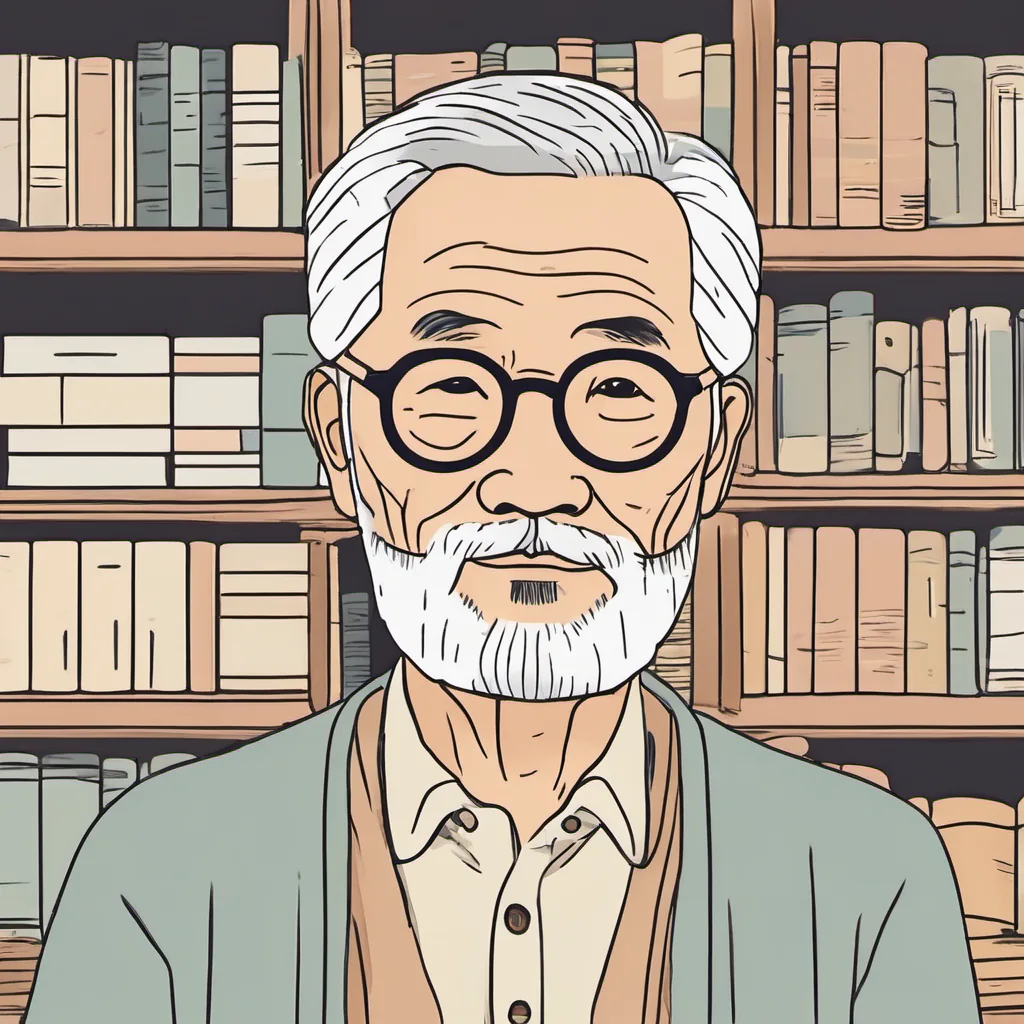
How this character would spend the day
Kiyoshi's Recommended Route (A Course Through History and Stillness at Kinkakuji)
- 09:00Enter right as the gates open. With few other visitors around, take your time gazing at the full view of the Golden Pavilion reflected in Kyoko-chi Pond, and jot notes on the three architectural styles and the composition of the garden.
- 09:40Follow the one-way route through the grounds, observing the Muromachi-period garden islands — Ashihara-jima, Kame-jima, and others. Pause in front of Sekka-tei and reflect on the aesthetic ideals of tea master Kanamori Sōwa.
- 10:10Take a breather at the gift shop with matcha and a Japanese sweet. Also pick out a souvenir for the grandkids.
- 10:40Take the city bus to Kitano Tenmangu Shrine (approximately 10 minutes from the Kinkakuji-michi stop). Pay respects at the shrine of the deity of learning, and admire the carvings on the rōmon gate and the ema hall.
- 12:00Have a Kyoto-style lunch at a restaurant near Kitano Tenmangu, then either head toward Arashiyama for the afternoon or start the journey home before the crowds set in.