Travel / Aichi Prefecture
Nagoya Castle
The pinnacle of early modern Japanese castle architecture, crowned by its iconic golden shachihoko. The restored Honmaru Palace and stone walls associated with Kato Kiyomasa are must-sees — all for just ¥500 per adult.
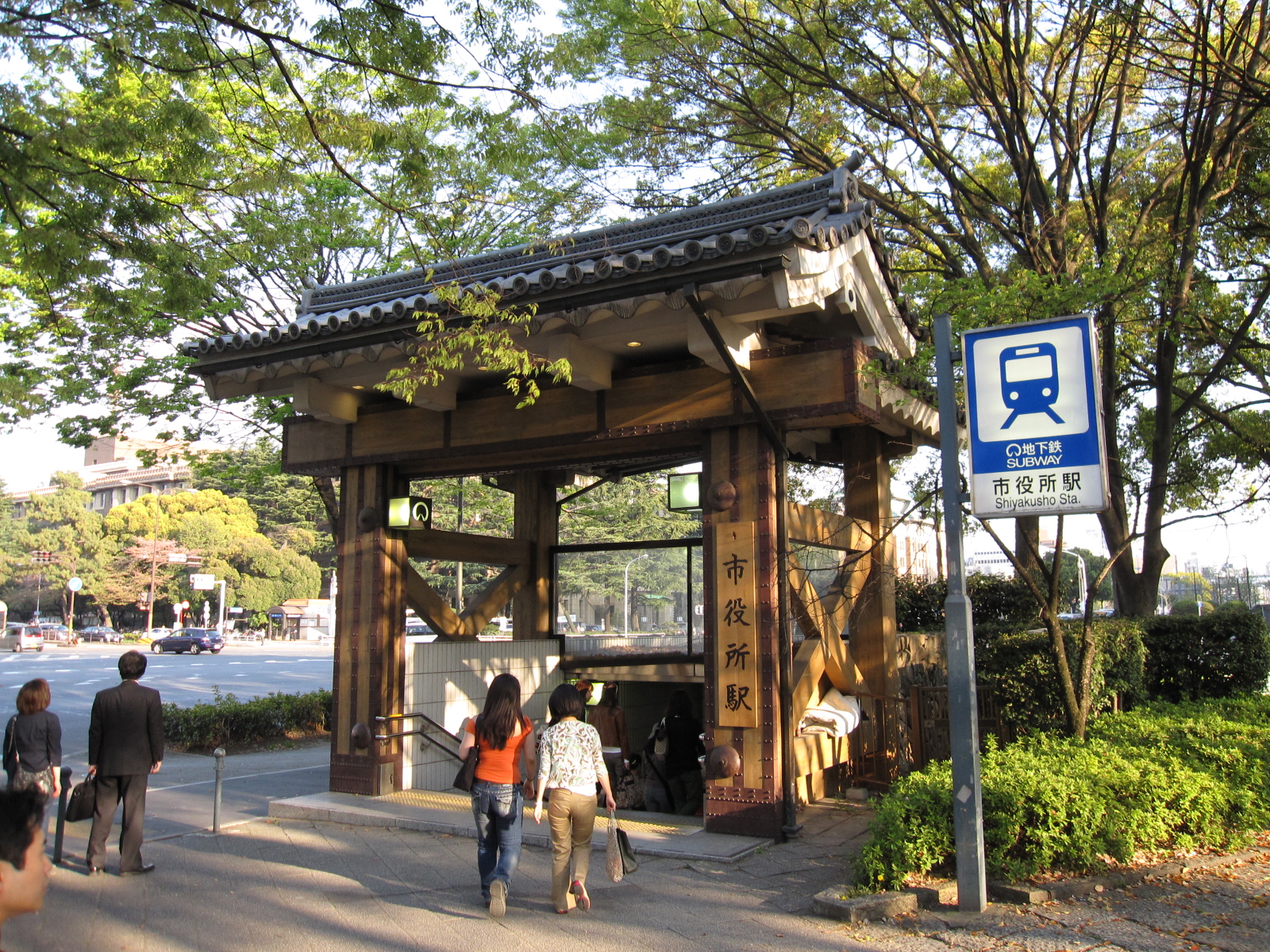
Photo: Gryffindor / CC BY-SA 3.0
- Access
- 5-minute walk from Exit 7 of Nagoya Castle Station on the Subway Meijo Line. 15-minute walk from Higashi-Otemachi Station on the Meitetsu Seto Line. Immediately accessible from the 'Nagoya-jo Seimon-mae' city bus stop.
- Duration
- Approximately 1–2 hours to tour the Honmaru Palace and castle grounds (official guidance notes about a 10-minute walk from the main gate to the Honmaru Palace)
- Price
- Adults ¥500, junior high school students and younger free, Nagoya residents aged 65 and over ¥100
- Hours
- 9:00 AM–4:30 PM (last admission 4:00 PM; last entry to Honmaru Palace and Nishinomaru Okura Castle Treasury also 4:00 PM)
- Closed
- December 29–31 and January 1 (4 days per year)
- Source: 名古屋城公式ウェブサイト (confirmed August 9, 2026)
- Source: 名古屋城 アクセス|名古屋城公式ウェブサイト (confirmed August 9, 2026)
- Source: 名古屋城 見どころガイド|名古屋城公式ウェブサイト (confirmed August 9, 2026)
Prices and hours may change. Please check the official site before you go.
Golden Shachihoko Shining Over Nagoya's Sky
No discussion of Nagoya Castle is complete without its pair of golden shachihoko perched atop the castle tower. Positioned facing each other — one male, one female — these ornaments have long symbolized the authority of the Tokugawa clan and the prosperity of Nagoya, and are still introduced on the official website as "the golden shachihoko adorning the castle tower." The tower itself was destroyed during wartime and later reconstructed; as of 2026, it is closed to the public and cannot be entered. Even so, the view looking up at the tower from the main gate is breathtaking, and simply strolling along the Otedori avenue at the castle's base is enough to feel Nagoya's history firsthand. For a closer look at the shachihoko, actual scales from the originals are on display at the Nishinomaru Okura Castle Treasury — well worth adding to your visit.
The Magnificent Splendor of the Restored Honmaru Palace
Rivaling the castle tower as a highlight is the restored Honmaru Palace. Built on the orders of Tokugawa Ieyasu as a lodging and reception facility for the shogunal family, it faithfully recreates the elaborate painted screens and decorations of the original. The gilded kinpeki-style paintings adorning the interior live up to the official site's description of it as "the pinnacle of early modern castle architecture." As last admission is at 4:00 PM, plan to arrive by 2:00–3:00 PM to give yourself enough time. Visitors slip on provided slippers before entering, and photography is permitted in many areas. With the castle tower currently closed, the Honmaru Palace has become the centerpiece of any Nagoya Castle visit — and now is an ideal time to take your time admiring the extraordinary craftsmanship of its palatial architecture.
Stone Walls Laid by Kato Kiyomasa — and the 'Kiyomasa Stone'
The stone walls of Nagoya Castle are a product of tenka fushin — the system by which Tokugawa Ieyasu assigned construction duties to lords across the country. Kato Kiyomasa and other renowned daimyo each took responsibility for different sections, and the official guide explicitly notes that the walls "were built by celebrated daimyo including Kato Kiyomasa." Because each lord brought his own distinctive style, comparing the different stretches of stonework is a rewarding experience in itself. Within the castle grounds, a massive boulder known as the 'Kiyomasa Stone' — said to have been transported by Kato Kiyomasa himself — still stands today. Listed on the official website as a key attraction under 'Stone Walls & Kiyomasa Stone,' its sheer weight and presence make it worth seeing. Tenka fushin was far more than a public works project: it was a calculated Tokugawa strategy to simultaneously drain the finances and test the loyalty of rival daimyo. The power dynamics of the era are etched into every one of those foundation stones.
The Nishinomaru Okura Castle Treasury and Castle Grounds
The Nishinomaru Okura Castle Treasury is an exhibition facility dedicated to preserving and displaying Nagoya Castle's cultural assets. Visitors can see actual scales from the golden shachihoko up close, along with other treasures tied to the castle's history. Introduced in the official guide as its own distinct highlight, a visit here alongside the Honmaru Palace offers a complete picture of both what survives from Nagoya Castle and what has been passed down through the ages. The castle grounds are laid out as a spacious park, and the nationally designated scenic garden Ninomaru Teien features seasonal plantings throughout the year. Cherry blossoms in spring, lush greenery in summer, autumn foliage — each season brings a different expression to the scenery framed by the castle tower. With adult admission at a reasonable ¥500 and easy subway access, Nagoya Castle fits naturally into a half-day itinerary as a starting point for exploring the city.

How this character would spend the day
Kiyoshi's Recommended Route: A Leisurely Course Tracing History
- 9:00Enter through the main gate right at opening. Take your time admiring the exterior of the castle tower while the grounds are still quiet, and sketch the view from the main gate in your notebook.
- 9:30Walk the stone wall area and observe the differences in each daimyo's stacking style. Pause at the Kiyomasa Stone and reflect on the meaning of tenka fushin.
- 10:15Enter the Honmaru Palace. Slow down in front of the painted screens, imagining the space as it once was — a reception hall for the shogunal family — and take notes on any motifs that catch your eye.
- 11:30Visit the Nishinomaru Okura Castle Treasury to see the actual shachihoko scales and cultural asset exhibits. Take stock of what has been lost and what has survived.
- 12:30Rest on a bench in Ninomaru Teien before heading out. Make your way toward Sakae in search of Nagoya cuisine, and wrap up the day's historical walk over lunch.